Every year in the U.S., more than 4,000 people die from drowning. According to CDC drowning data, rates vary widely by state due to unique local risk factors:

  • Proximity to water (coastal, lakefront, or pool-heavy communities)
  • Climate and weather patterns that affect swimming conditions
  • Demographics and populations at higher risk
  • Tourism and short-term rental environments
  • Access to resources such as pools for lessons or sufficient staffing

State drowning prevention plans, developed in alignment with the U.S. National Water Safety Action Plan, bring together experts who understand their state’s unique challenges. These teams set clear objectives and design drowning prevention strategies to combat common risks in each state. Solutions will vary by state and may include:

  • Public awareness campaigns to educate families about regional drowning risks
  • Offering swim lessons to increase access to lifesaving skills
  • Pool building requirements that mandate critical layers of protection
  • Increased life jacket use in open water and recreational settings
  • Improved emergency response systems to reduce drowning fatalities

Early results show that this coordinated, community-based model is highly effective. When local stakeholders unite around a shared plan, drowning rates decline, families are better informed, and lives are saved.


Water Safety Action Plan Progress Across the U.S.

Explore an interactive map to view state and regional drowning prevention plans supported by The ZAC Foundation.

Interested in building a state water safety coalition? Contact the USNWSAP Steering Committee or register for one of their online office hours for guidance.

State-by-State Case Studies

Dive deeper into each state’s drowning prevention progress.

California Water Safety Strategy

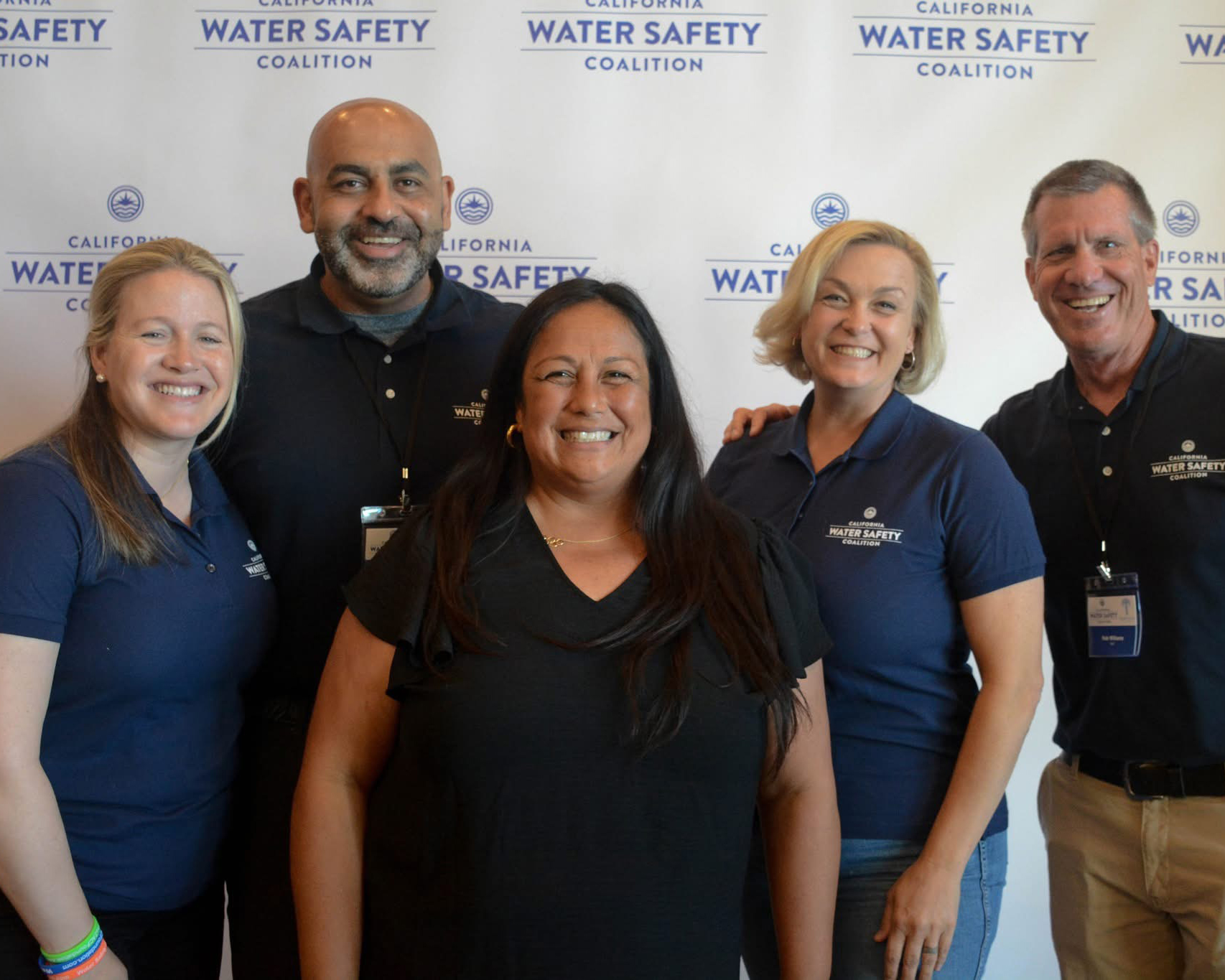
Every year, more than 400 people lose their lives to drowning in California. To tackle this crisis, the California Water Safety Coalition—a partnership between the Ben Carlson Memorial and Scholarship Foundation and The ZAC Foundation—was created at the 2022 California Water Safety Summit. The coalition brings together nonprofits, advocates, and public safety leaders to prevent drowning and reduce aquatic injuries across the state.

In 2023, the Coalition introduced The California Water Safety Strategy (CA-WSS), providing a clear plan with eight key priorities to make California’s beaches, pools, lakes, and rivers safer for everyone.

Download CA-WSS

New Jersey Water Safety Strategy

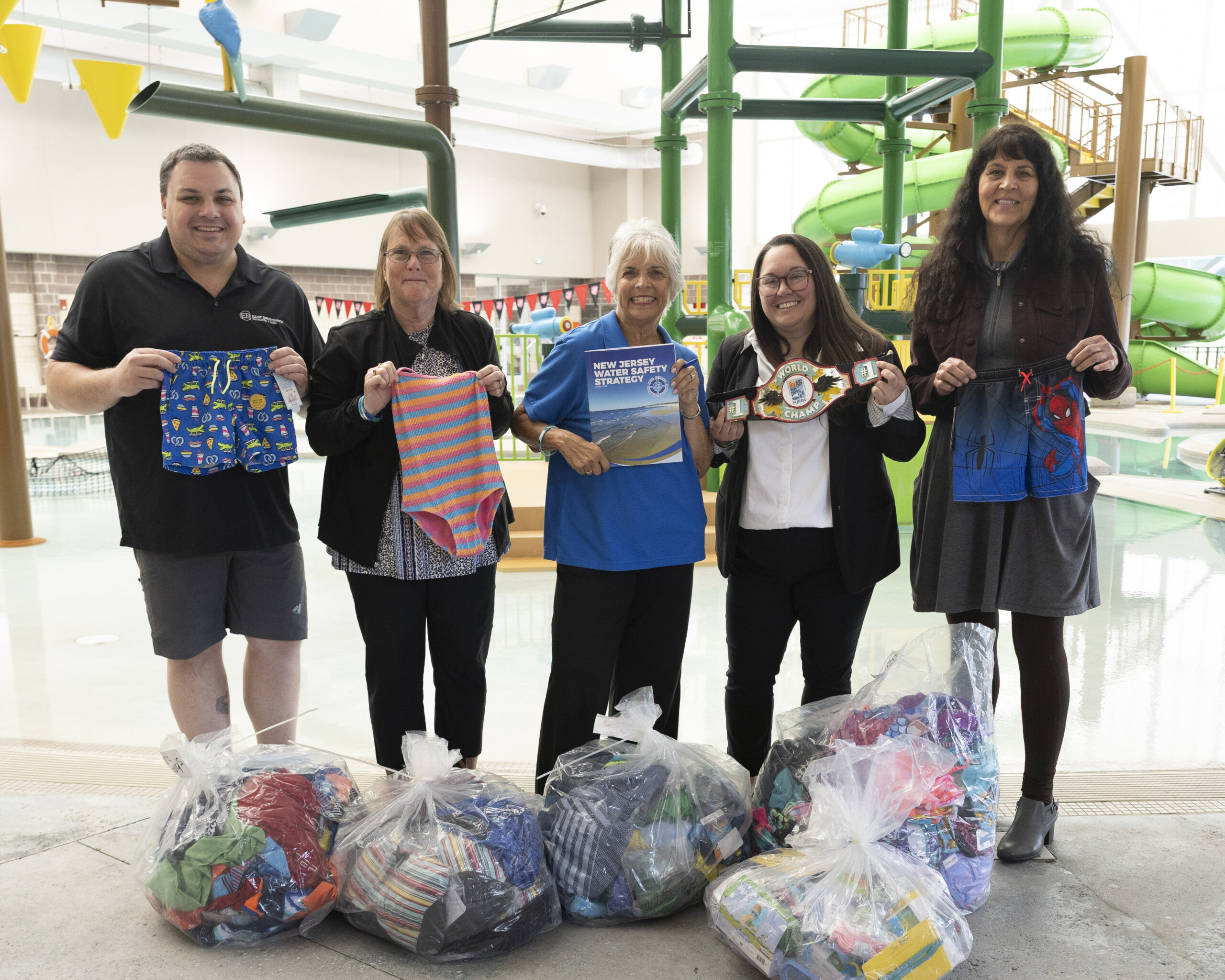
In June 2025, the New Jersey Swim Safety Alliance (NJSSA) launched its first statewide Water Safety Strategy (NJWSS), marking a major step forward in protecting families around water. The strategy originated at the New Jersey Water Safety Summit, first held in 2023, and expanded through a follow-up summit in 2024.

The ZAC Foundation worked with the Alliance—including New Jersey Recreation and Parks, the American Red Cross, and Dolfin Swimwear—to bring together community leaders, advocates, and public safety professionals. NJSSA created a roadmap to provide local communities with tools, education, and resources to prevent drowning and improve water safety statewide.

Download NJWSS

Florida Water Safety Strategy

According to the CDC, Florida recorded more drowning deaths than any other state between 2013 and 2023. Contributing factors include its warmer climate, extensive coastline and waterways, and high density of pools.

In 2025, Florida announced plans to develop a comprehensive state water safety strategy under the framework of the U.S. National Water Safety Action Plan (USNWSAP), expected to be completed by the end of the year. At a May 2025 meeting in Eatonville, health officials, first responders, families, and policymakers began shaping the plan to address Florida’s unique drowning risks, including beach safety, open water recreation, and year-round aquatic activity.

In the News

Texas Water Safety Summit

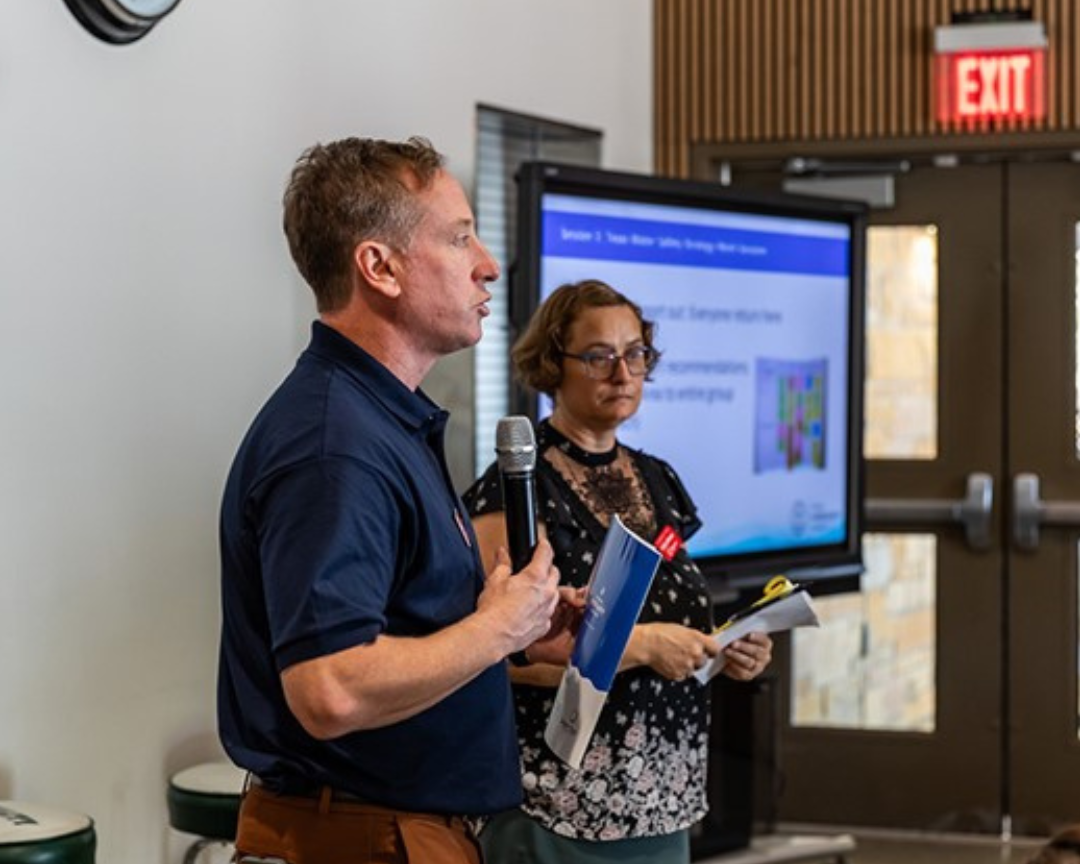
The Texas Water Safety Coalition is in the stages of developing a state water safety strategy to address drowning risks across the region. According to the CDC, Texas had the second highest number of drowning fatalities in the U.S. between 2013 and 2023. In September 2023, more than 100 water safety experts and advocates gathered in Austin to share resources and explore solutions for keeping Texans safe.