Summer Water Safety Checklist For The Beach And Pool
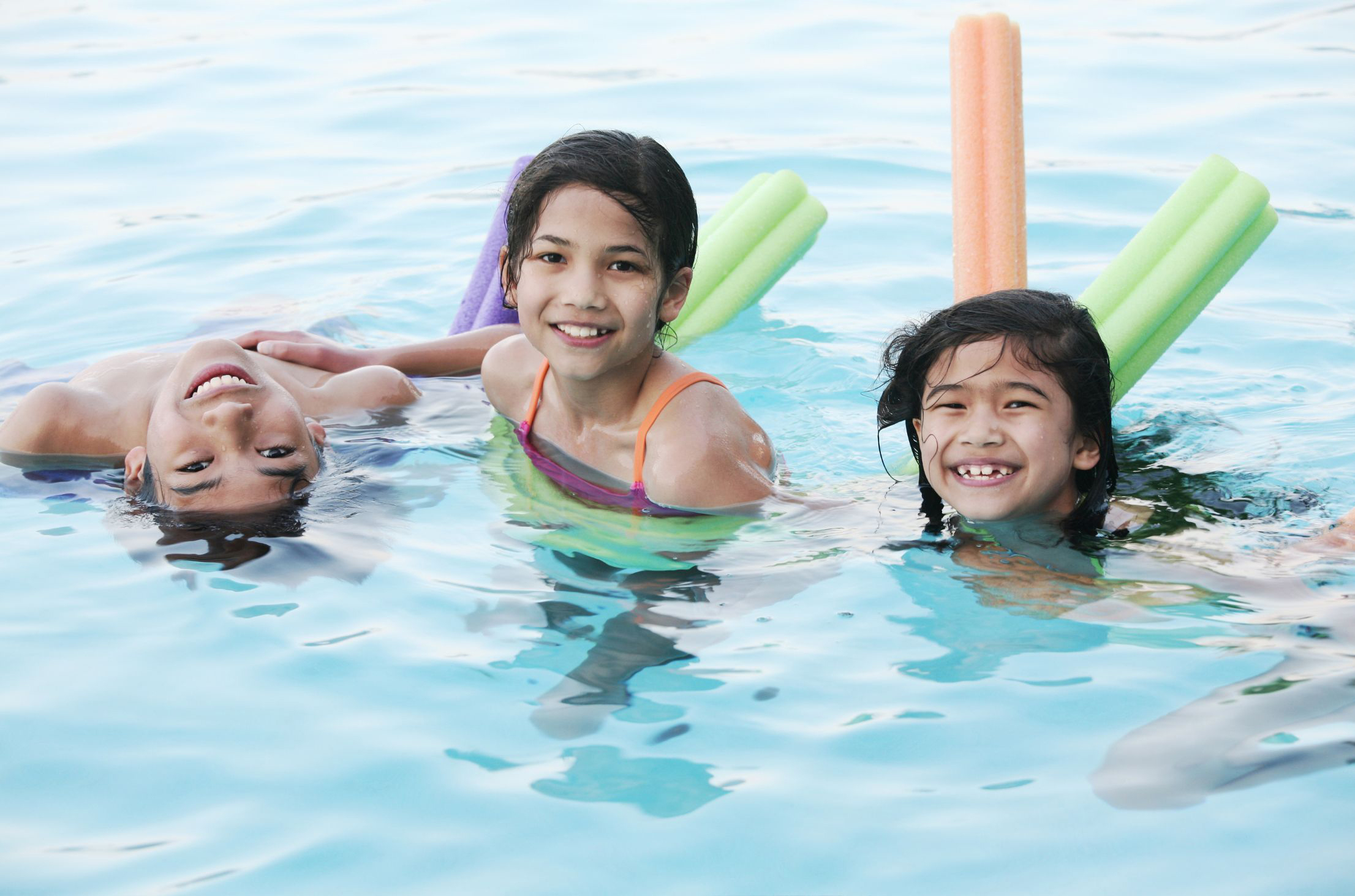
Summer is almost here. As your family starts planning beach trips, waterpark days, or backyard barbeques, keep water safety top of mind.
Drowning is the leading cause of death for children ages 1–4 in the U.S., and the second leading cause of unintentional injury death for children ages 5–14.
Drowning Prevention Starts with Preparation
With the right skills and precautions, drowning is preventable. Use our pre-summer checklist to ensure your family is ready for the upcoming swim season:
Swim Lessons and Pool Supplies
- Enroll your child in swim lessons. There’s still time for your kids to learn essential swim skills before summer. Lessons reduce the risk of drowning by 88% and help build your child’s confidence in the water.
- Take a CPR class. Classes aren’t just for kids. If you’re a caregiver, learn how to perform CPR. When performed in the first few minutes of cardiac arrest, CPR can double or triple the chance of survival.
- Acquire a U.S. Coast Guard–certified lifejacket that fits your children correctly. While lifejackets are only legally required for kids under 12 while boating, they are an essential layer of protection anytime your little ones are in or around open water, where conditions are prone to change quickly.
- Purchase new colorful swimsuits that are easy to spot in water. In the event that a child slips beneath the surface, ensure they are immediately visible for a lifeguard or onlooking adult. Neon colors—especially bright orange, yellow, and green—are most effective in spotting children in bodies of water.
Water Safety Conversations with Your Kids
- Remind your child that they must ask for permission before heading to the water. As many as 69% of young children who are found drowned or submerged in swimming pools were not expected to be in or at the pool. Talk to your child about why adult supervision is always necessary.
- Discuss rip currents ahead of a trip to the beach. Children are among the most vulnerable to rip currents because they may not have the strength or knowledge to escape them. We recommend this rip current safety video, and discussing:
- What They Are: Rip currents are strong, fast-moving channels of water that can pull swimmers out to sea.
- How to Spot Them: You can identify a rip current by looking for changes in water color, or spotting seaweed, debris, or foam moving quickly out to sea.
- How to Escape: If possible, kids should wave and yell to get the attention of lifeguards. Advise kids not to swim against the current. Instead, they should swim parallel to the shore until they are out of the current, and swim back to the shore at an angle.
- How to Evaluate the Environment: Teach your kids how to identify beach flags and remind them to only swim in designated areas with lifeguard supervision, and to always stick with a buddy if possible. As always, children should always have water watchers present.
- Run through emergency scenarios with your kids. As you would in a fire drill, talk through the steps your child should take in the case of a drowning emergency. If they see someone struggling they should:
- Stay out of the water
- Call an adult or lifeguard immediately
- Find an extendable object such as a pool noodle, canoe paddle, or rake to pull them to safety. If your child is too small to pull another, they should throw a floatable object like a kickboard, ring buoy, lifejacket, or basketball to the struggling individual.
Home Pool Safety Inspections
Residential pools often aren’t inspected as frequently as commercial pools. If you have a backyard pool, now’s the time to check the following:
- Evaluate your pool fence and alarm. A four-sided fence around the pool reduces a child’s risk of drowning by 83%. For an extra layer of protection, install a pool alarm to notify you when the pool has been entered or disturbed.
- Verify your pool drain meets current VGB standards. Drains must comply with ANSI/APSP-16 standards and have been upgraded since 2008. If you can’t confirm the creation date of your drain cover, replace it immediately. Visit our Pool Drain Safety page for more information on why this step is so important to prevent entrapment.
- Know how to turn off the power to the pool. In the case of entrapment, it’s critical to know how to turn off the power immediately. Contact your pool contractor to review this process before summer.
The ZAC Foundation wants to ensure that every child can stay safe around water this swim season. By exercising water smarts, you can ensure your family has a happy and safe summer. For more water safety updates and tips, please subscribe to our newsletter.