
What To Do If You Fall Into Cold Water
Warm spring days don’t always mean warm water. As temperatures rise and more people venture near lakes, rivers, and coastal areas, it’s critical to understand the dangers of cold-water immersion and what to do if you fall in.
What Happens When You Fall Into Cold Water
Suddenly plunging into cold water triggers cold shock, a life-threatening response where your body enters survival mode. You’ll experience sudden changes in breathing, heart rate, and blood pressure that can impair your ability to think clearly and act.
Immediate Actions If You Fall In
Follow these steps from the U.S. Coast Guard:
Stay calm and control your breathing. Panic increases energy use and accelerates heat loss.
Get out of the water as quickly as possible. Minimize time in the water. Use any floating objects to help pull yourself out. Assess whether you can reach safety. If you can swim to safety, do so. If not, conserve energy and await rescue.
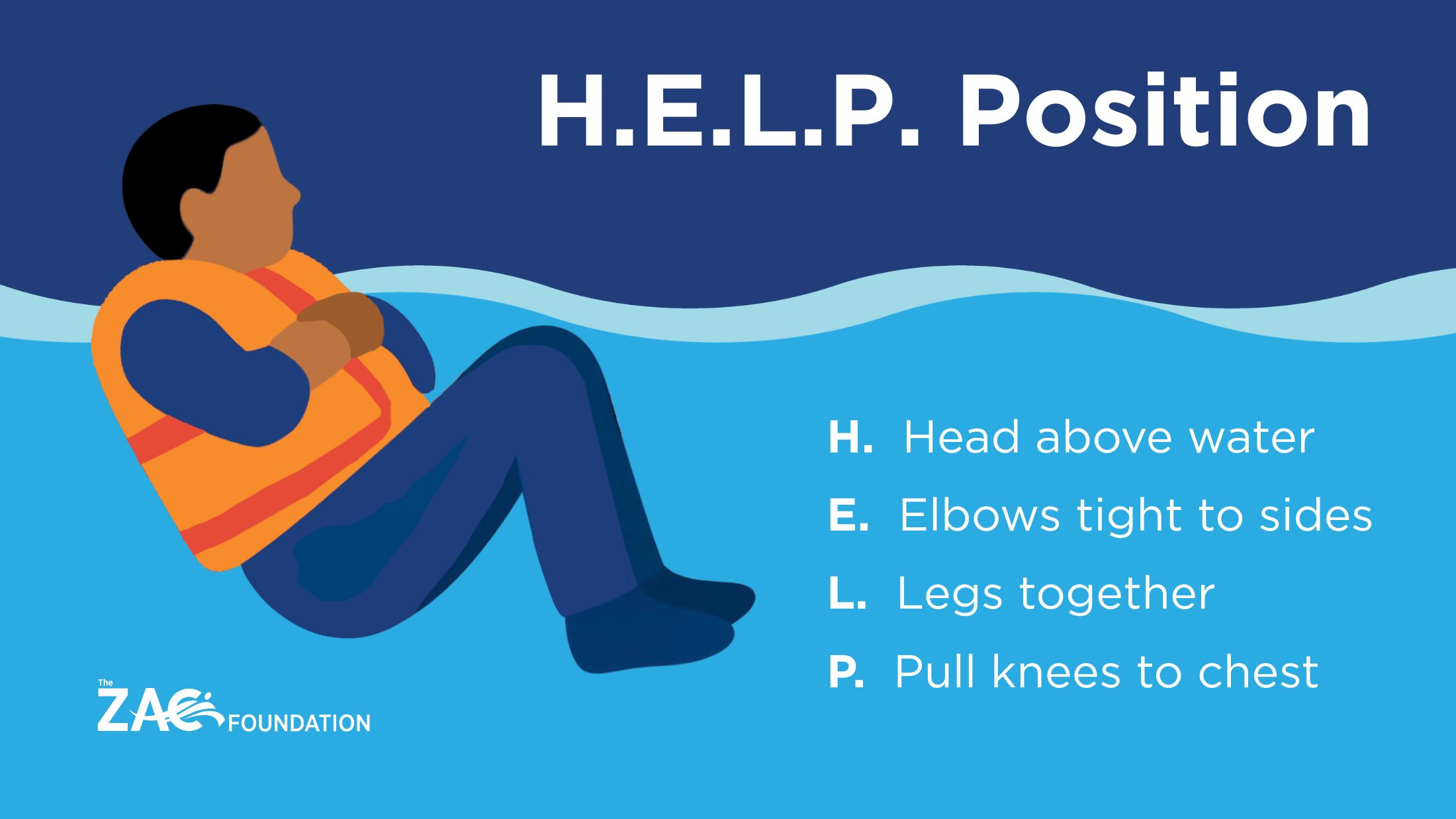
The H.E.L.P. Position.
If you can’t reach safety, use the Heat Escape Lessening Position to slow heat loss:
H – Head above water
E – Elbows tight to sides
L – Legs together
P – Pull knees to chest
If you’re not alone Huddle together with others to conserve body heat.
Treatment After Cold Water Immersion
Follow these Red Cross treatment steps:
- Call 911 immediately
- Move to a warm place
- Remove wet clothing and dry off
- Wrap in blankets to warm slowly
- Warm the core (trunk/abdomen) first, not hands and feet
- Do NOT immerse in hot water, rapid warming can cause dangerous heart issues
- Monitor breathing
Preparing for Cold Water Exposure
Before heading near cold water: wear a life jacket, know the water temperature, and always tell someone where you’ll be.