Autism and Water Safety: What Every Family Needs to Know
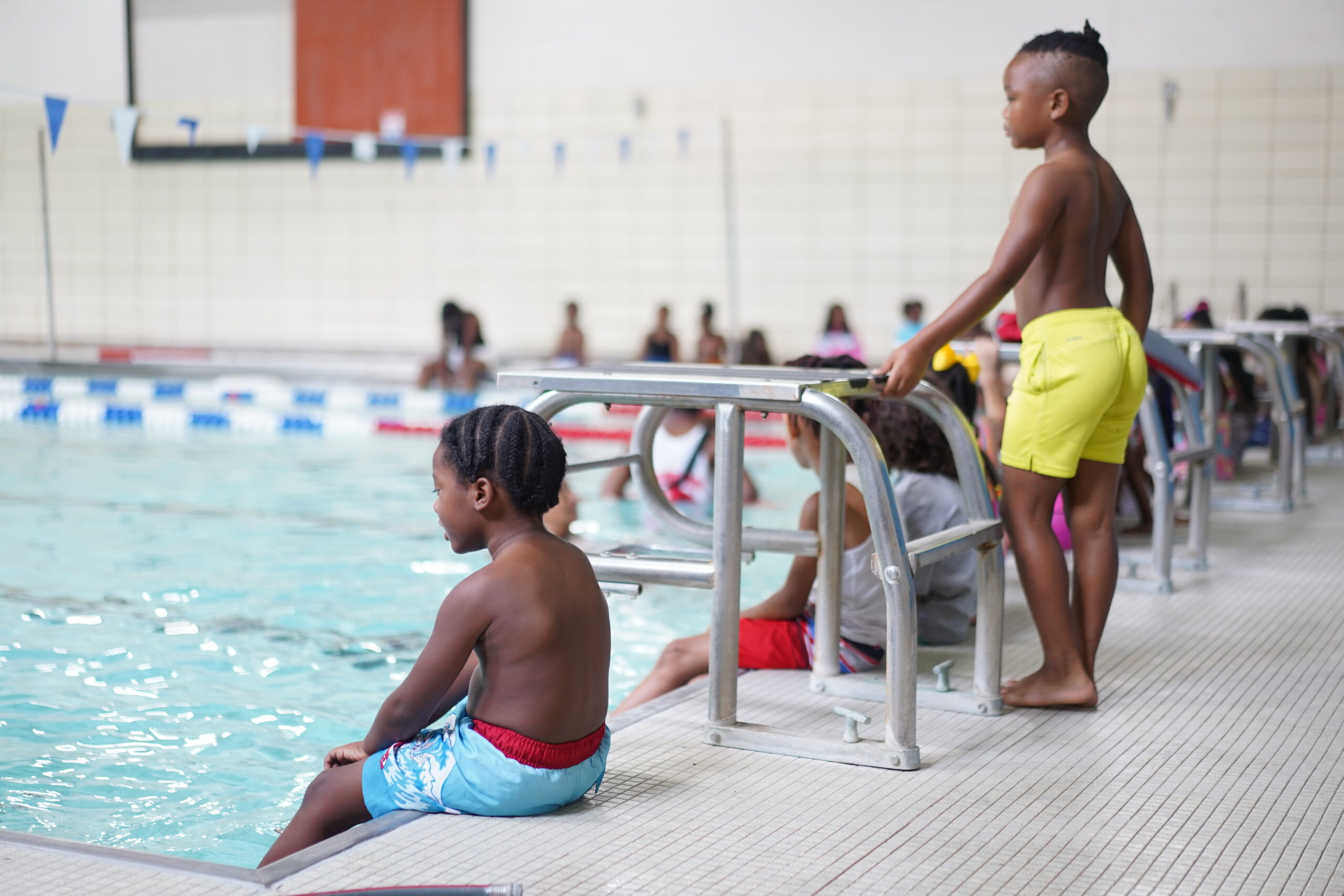
Autistic Children Drowning Prevention
Children with autism are often drawn to water but may not recognize its dangers. Drowning is the leading cause of death among autistic children who wander — the National Autism Association found that 91% of wandering-related deaths were the result of drowning.
Start Water Safety Education Early
The good news is that education and preparation can dramatically reduce risk. Start water safety education as early as possible, using visual supports like picture cards or social stories to teach rules in a way that resonates. Enrolling in adaptive swim lessons designed for autistic learners (offered by many YMCAs and specialized programs like Swim Angelfish) is one of the most powerful protective steps a family can take.
How to Prevent Unsupervised Water Access
Children should never be left near water without supervision. Because autistic children are especially prone to wandering, preventing unsupervised access is critical. A four-sided pool fence with self-latching gates, creating a full barrier between the house and pool, has been shown to reduce child drownings by 89%. Door locks and alarms add another layer of protection, alerting caregivers the moment a child moves toward an exit unsupervised.
Don’t overlook non-pool water features. Ponds, canals, and even decorative fountains carry real risk, and safety regulations around these areas lag far behind pool fencing requirements. If your home or neighborhood includes any of these, locks and alarms become even more essential for protecting vulnerable children.
Register with Local Emergency Alert Programs
When prevention fails, a fast and informed emergency response can mean the difference between a close call and a tragedy. A growing number of states are adopting specialized alert systems modeled on the Amber Alert, designed specifically for missing autistic individuals. Ohio’s Joshua Alert, for example, activates the statewide emergency system when a nonverbal or disabled child goes missing, getting critical information into the hands of first responders right away. If your state or municipality offers an alert program, enroll before an emergency occurs.
Water can be a source of genuine joy for autistic individuals. With the right safeguards in place, families can feel confident letting their loved ones enjoy it safely.
For more resources on autism and water safety, visit Swim Angelfish.